The Ultimate Guide to E-Waste Recycling: Why It Matters and How to Get Started
Electronic waste recycling represents a critical yet frequently neglected component of contemporary sustainability. With technology evolving rapidly, millions of tons of electronic waste accumulate each year, posing significant environmental risks. Grasping the complexities of e-waste disposal enables people to make well-informed decisions. This resource not only details efficient recycling methods but also examines the wider consequences for both the environment and economy. The journey toward responsible e-waste management begins with a few critical steps.
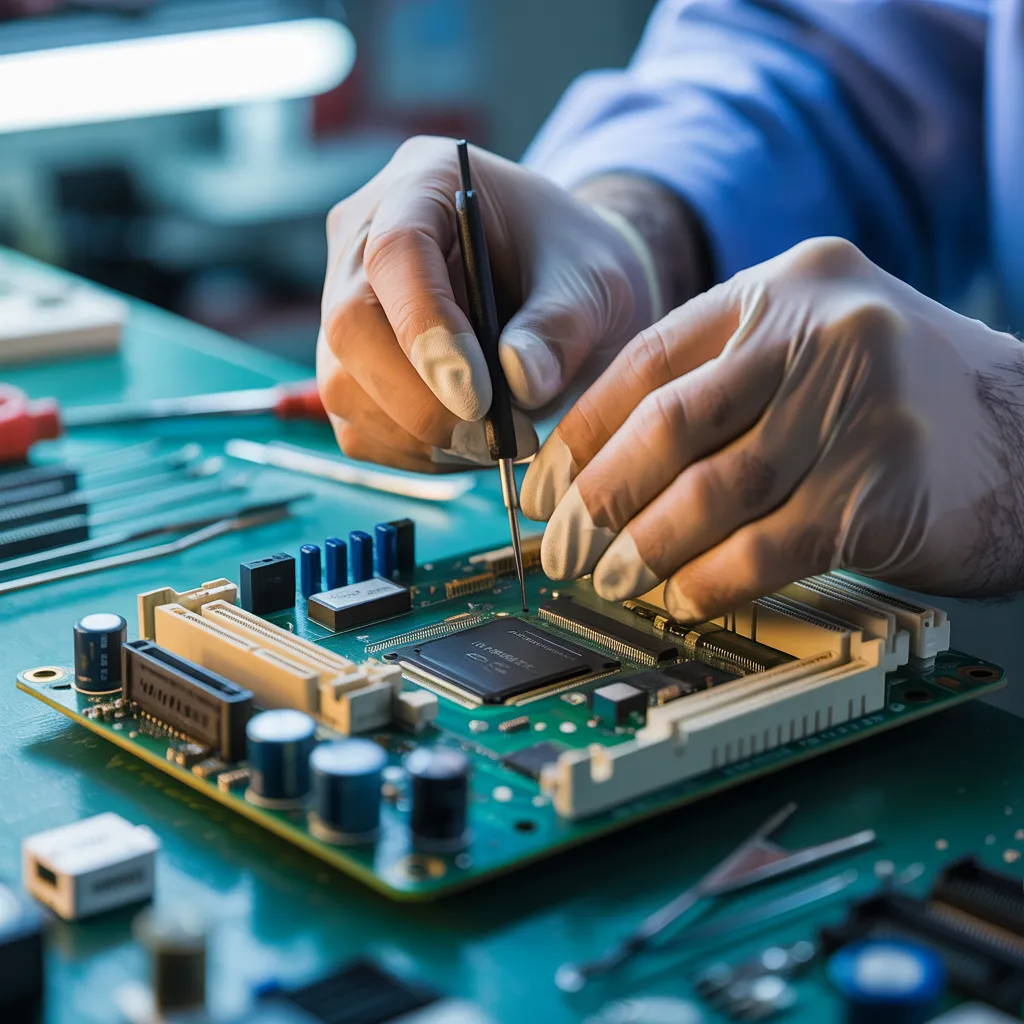
Everything You Should Know About E-Waste
E-waste, or electronic waste, refers to discarded electrical and electronic devices, and recognizing its significance is crucial in today's technology-driven world. The swift development of technology has caused a considerable surge in e-waste accumulation, with tens of millions of tons generated each year. Such waste frequently harbors dangerous substances including lead, mercury, and cadmium, creating substantial environmental and public health dangers if not disposed of correctly.
Additionally, valuable materials like copper, gold, and rare earth minerals are present in these electronic devices, which can be recovered through the recycling process. Yet, a large percentage of e-waste is discarded in landfills, exacerbating resource depletion and pollution. Understanding of appropriate waste disposal techniques and the importance of recycling can help resolve these challenges, fostering a more environmentally responsible perspective on technology consumption. Understanding electronic waste is necessary for cultivating responsible practices and advancing effective recycling initiatives within society.
Your First Steps to E-Waste Recycling
Making the effort to recycle e-waste can greatly impact environmental health and individual responsibility. To start, one should take stock of their unused or damaged electronic devices, organizing devices such as smartphones, laptops, and printers. This approach assists in determining the quantity of electronic waste that must be managed. Additionally, looking into local recycling initiatives is essential. Numerous neighborhoods provide dedicated drop-off points or scheduled collection drives for electronic waste.
Individuals ought to familiarize themselves with the items that qualify and do not qualify for recycling, as rules differ depending on the area. Upon finding the right recycling options, carefully securing the items for transportation guarantees safety and minimizes damage. Finally, one should follow up on the disposal procedure, verifying that certified recyclers manage the e-waste. By implementing these foundational actions, people help build a greener tomorrow while responsibly managing their electronic waste.
The Environmental Impact of E-Waste Recycling
Despite being frequently ignored, the ecological consequences of electronic waste recycling is profound and far-reaching. Responsible electronic waste recycling aids in preventing hazardous materials, such as cadmium, lead, and mercury, from tainting soil and water resources. These dangerous toxins can contribute to severe health risks for people and wildlife alike. By recycling, important resources like gold, silver, and copper are extracted, decreasing the demand for mining and diminishing the overall carbon impact associated with resource extraction.
Moreover, efficient e-waste recycling limits landfill dependency, where breaking down electronics discharge dangerous chemicals. It strengthens a circular economy by championing sustainable approaches, inspiring manufacturers to develop recyclable product designs. In addition, recycling can reduce greenhouse gas emissions by decreasing energy consumption compared to producing new materials. Ultimately, the environmental advantages of e-waste recycling emphasize its essential function in cultivating a healthier planet and securing responsible oversight of electronic resources.
Economic Gains from E-Waste Recycling
E-waste recycling presents considerable economic benefits, especially in terms of employment generation and material recovery. By establishing recycling facilities, communities can generate employment opportunities while advancing environmentally responsible methods. Furthermore, recovering valuable materials from electronic waste minimizes the demand for virgin resource mining, leading to considerable cost savings.
Employment Generation Prospects
Recycling e-waste not only addresses environmental concerns but also serves as a catalyst for job creation. The e-waste management industry produces diverse work opportunities, extending from collection and organization to refurbishing and reprocessing electronic goods. As interest in environmentally responsible approaches rises, this field is broadening its scope, demanding expert workers in technology, engineering, and distribution. Regional economies gain advantages as employment opportunities frequently emerge in communities with elevated joblessness, promoting neighborhood advancement. Additionally, organizations participating in e-waste management can inspire technological advancement and business development, supporting a resource-efficient economy. By investing in e-waste initiatives, governments and organizations not only promote environmental sustainability but also enhance economic resilience through meaningful employment opportunities.
Resource Retrieval Savings
The e-waste recycling industry not only produces job opportunities but also delivers substantial financial benefits through resource recovery savings. By recovering precious materials including gold, silver, and copper from obsolete electronics, recycling minimizes the need for virgin resource extraction, which is often costly and environmentally damaging. This process lowers production costs for manufacturers, eventually resulting in lower prices for end users. Moreover, the energy savings associated with recycling e-waste can be substantial, reducing overhead costs for companies and enhancing overall economic productivity. Beyond this, as worldwide demand for electronic products keeps growing, efficient resource recovery from e-waste becomes increasingly essential for sustaining supply chains and enhancing economic resilience. Therefore, e-waste recycling is a prudent investment for both the economy and the environment.
Where to Recycle Your Old Electronics
Wondering where to dispose of outdated electronics responsibly? A wide range of choices can be found for recycling used gadgets, guaranteeing both ecological safety and the Get started recovery of valuable materials. Community recycling hubs commonly welcome numerous types of electronic devices, including computers, phones, and televisions. Many municipalities also host periodic e-waste collection events, offering an easy and accessible method for community members to dispose of electronics responsibly.
Major retailers like Best Buy and Staples run take-back schemes, allowing customers to return old electronics when purchasing new ones. Certain manufacturers offer mail-in recycling options, making it possible for users to mail their obsolete gadgets directly to specified collection facilities. Non-profit organizations may also accept donations of functioning electronics, extending their lifespan while supporting community initiatives.
Busting Popular Myths Surrounding E-Waste Recycling
Although many people believe that e-waste recycling is ineffective, the reality is that well-organized initiatives can considerably reduce environmental harm. A widespread myth is that e-waste winds up in landfills regardless of recycling efforts. In truth, reputable recycling facilities reclaim important components and responsibly eliminate hazardous components.
One popular myth states that recycling electronics is too complicated or costly. However, many local programs offer free drop-off services, allowing everyone to participate with ease. Several programs additionally feature convenient collection options.
Furthermore, some people mistakenly believe that e-waste can always be recycled, but many items cannot be recycled as a result of the unique materials used in their construction. Understanding local guidelines is essential.
Lastly, some assume that e-waste recycling has no impact on job creation. In reality, the recycling industry creates thousands of livelihoods, strengthening the economy while advancing environmental sustainability. By addressing these misconceptions, individuals can take informed action about e-waste recycling.
Common Questions and Answers
Can I Recycle Batteries With My E-Waste?
Batteries are not suitable for recycling with e-waste. They must be handled separately because of the hazardous materials they contain. Appropriate disposal methods involve dedicated recycling centers or specially organized collection events for batteries, guaranteeing safe and eco-friendly processing.
What Happens to My Data During Recycling?
During recycling, sensitive data on devices can be compromised if not securely deleted. Trusted recycling centers utilize dedicated processes to confirm thorough data removal, securing private information from unauthorized recovery or exploitation.
Are E-Waste Recycling Practices Governed by Law?
E-waste recycling is regulated by various laws and regulations that change depending on geographic location. Such regulations are designed to guarantee safe disposal, protect the environment, and manage hazardous materials effectively during the recycling process.
Do You Have to Pay Fees for Recycling Electronics?
A number of electronics recycling facilities could impose fees for processing electronic items, most notably for certain categories like televisions and computer monitors. Nevertheless, certain locations provide no-cost recycling, often funded by manufacturer programs or regional programs encouraging responsible disposal.
What Are the Ways to Promote E-Waste Recycling in My Community?
To support e-waste recycling within the community, individuals can coordinate informational campaigns, work alongside local businesses for recycling events, and employ social media to post educational material about the benefits to the environment and responsible disposal practices.